Cancer whole-genome sequencing
Discover novel features and benefits with whole-genome sequencing for cancer research.
Focus on cost-effective sequencing of relevant regions
Sequencing the cancer exome provides valuable information about the coding mutations contributing to tumor progression. Because the exome represents less than 2% of the genome, cancer whole-exome sequencing (WES) using next-generation sequencing (NGS) technology is a cost-effective alternative to whole-genome sequencing (WGS). Cancer exome sequencing also produces a more manageable data set compared to whole-genome approaches.

The Cancer Research Methods Guide is a 40+ page comprehensive resource with simple, comprehensive workflows for a broad range of cancer research applications. This guide includes single-cell sequencing, spatial sequencing, methylation profiling, multiomics, cell-free RNA sequencing, and more.
Your email address is never shared with third parties.
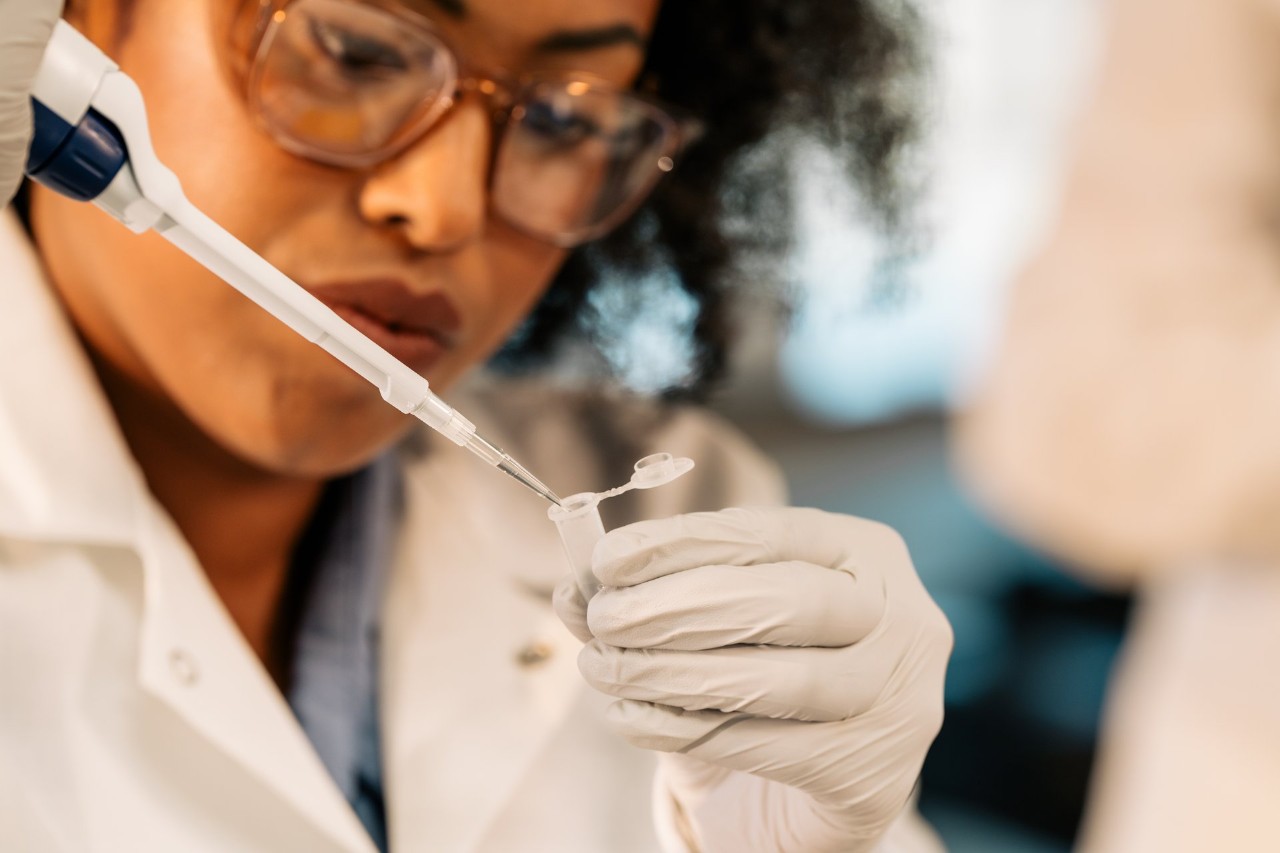
Cancer researchers can use WES and RNA sequencing to uncover tumor-associated gene expression profiles.
Discovering genetic variants in blood samples using WES is minimally invasive and may help researchers capture predictive or diagnostic cancer biomarkers.
Research into factors associated with cancer susceptibility and early incidence is vital for future translational insights and targetable genes or pathways.
Illumina offers library preparation, sequencing, and data analysis research options for sequencing cancer exomes. Streamlined library prep workflows and flexible kit configurations accommodate multiple study designs. User-friendly tools simplify data analysis.
Illumina DNA Prep with Exome 2.5 Enrichment
A high-performance, fast, and complete whole-exome sequencing kit, including library prep and hybridization reagents, a comprehensive exome probe panel, clean up/size selection beads, and indexes.
Illumina FFPE DNA Prep with Exome 2.5 Enrichment
A sensitive and comprehensive whole-exome sequencing solution that offers a tumor–normal workflow for detecting low-frequency variants from formalin-fixed, paraffin-embedded (FFPE) samples.
These cost-efficient, user-friendly, mid-throughput benchtop sequencers offer extreme flexibility to support new and emerging applications.
This production-scale sequencer offers vast application breadth, enabling data-intensive methods at production scale.
Illumina DRAGEN secondary analysis
Accurate, comprehensive, and efficient analysis of NGS data for a range of applications, including exome, genome, transcriptome, and methylome studies.
Illumina DRAGEN Somatic pipeline
DRAGEN Somatic pipeline identifies somatic variants that can exist at low allele frequencies in tumor samples. The pipeline can analyze tumor–normal pairs and tumor–only sequencing data.
Illumina DRAGEN Enrichment app
An accurate and efficient FASTQ to VCF secondary analysis solution for whole-exome and targeted panel NGS data. This app can be used for both germline and somatic variant calling.
Cancer whole-genome sequencing
Discover novel features and benefits with whole-genome sequencing for cancer research.
See how RNA-Seq can reveal information about cancer gene expression and gene fusions that drive tumor progression.
Explore methods for studying cancer epigenetics to learn how nongenetic changes can affect cancer-related gene expression.
Learn how researchers in Italy perform cancer WES from tumor biopsy samples to better understand the genetic underpinnings of tumor onset and progression, identify biomarkers, and predict response to therapeutic interventions.
Tackling the unique complexity of pediatric cancer
Read how Children’s Mercy Kansas City is tackling the unique challenges of pediatric cancer through whole-exome sequencing to uncover rare genetic drivers of childhood cancers.
NGS proves invaluable for finding rare biomarkers
Learn how finding a rare biomarker can have a big impact on cancer patients from this article with Dr Vivek Subbiah.
Why choose whole-genome or exome sequencing?
Explore the benefits of both approaches to understand which method is best for your research.
Interested in learning more about cancer whole-exome sequencing?
Your email address is never shared with third parties.