
Illumina Single Cell 3' RNA Prep
Accessible and highly scalable single-cell RNA-Seq solution for mRNA capture, barcoding, and library prep without complex workflows or microfluidics
Study individual cancer cells for variations in DNA, RNA, the epigenome, and protein

Single-cell sequencing powered by next-generation sequencing (NGS) can examine the genomes or transcriptomes of individual cancer cells, providing a high-resolution view of cell-to-cell variation. Although it can be helpful in some cases to average samples, interrogating individual cells can reveal insights for heterogeneous samples such as tumor microenvironments. Cancer single-cell analysis can reveal drivers of cancer at the DNA, RNA, epigenetic, and protein levels (individually or as multiomic experiments) that may otherwise be missed when aggregating samples in bulk.1
Choosing between bulk-cell and single-cell analysis depends on the overall research goals. Profiling single cells can help you understand how unique populations impact cancer and how they might be exploited therapeutically.
Some key benefits of single-cell sequencing over bulk-cell sequencing include:

Single-cell transcriptomics enables unprecedented insights into cellular function and individual cell interactions within their environment. Illumina NGS technology maximizes the discovery power of single-cell gene expression studies, enabling researchers to assay millions of individual cells in a single assay with high accuracy and sensitivity.
ATAC-Seq profiles chromatin accessibility across diverse cell types in complex tissues, revealing how chromatin structure influences gene expression. Single-cell ATAC-Seq provides high resolution by combining cell barcoding with Tn5 tagmentation, which tags open chromatin regions with sequencing adapters. Tagged fragments are then purified, amplified, and sequenced to generate detailed accessibility maps.
The single-cell immune repertoire refers to the diverse collection of individual immune cells within an organism, each equipped with unique receptor molecules on their surface. These receptors enable immune cells to recognize and respond to threats, such as pathogens or abnormal cells.
Analyzing the single-cell immune repertoire involves studying the genetic sequences that encode these receptors, providing insights into the immune system's diversity, functionality, and specificity at the individual cell level. This analysis holds promise in understanding immune responses in diseases, facilitating personalized medicine approaches, and developing targeted therapies.
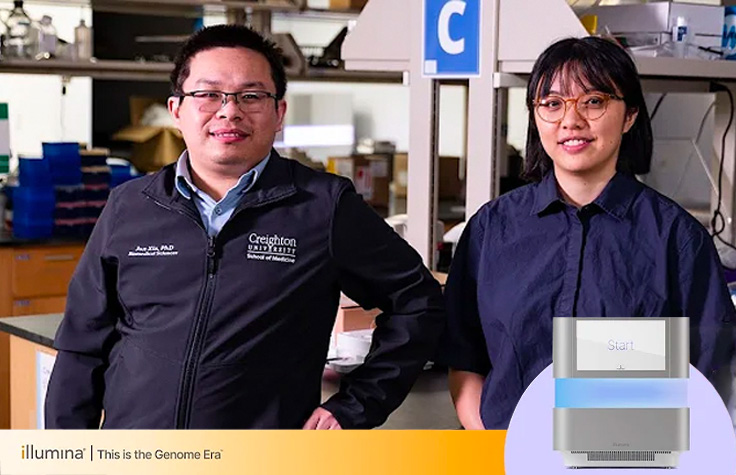
Hear from Jun Xia, PhD and Yusi Fu, PhD, codirectors of the Innovative Genomics & Bioinformatics Core (IGBC) at Creighton University, about their cancer research and the people who inspire their work. With the help of the NextSeq 2000 System, they have developed highly accurate single-cell sequencing methods to detect cancer biomarkers and fast-tracked their research, opening doors with collaborators to better understand the fundamental processes that drive cancer.
This eBook from Illumina is your guide to understanding single-cell workflows from sample prep to data analysis. Learn best practices, explore platform options, and gain insights to design robust experiments.
Your email address is never shared with third parties.
Accessible and highly scalable single-cell RNA-Seq solution for mRNA capture, barcoding, and library prep without complex workflows or microfluidics
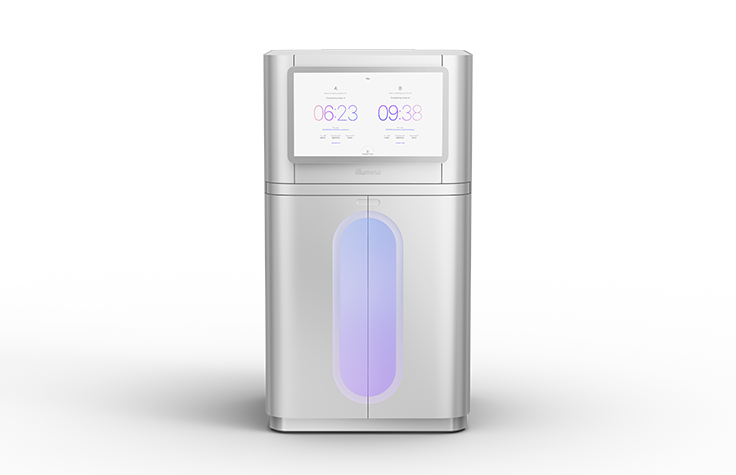
Advanced chemistry, optics, and informatics combine to deliver exceptional sequencing speed and data quality, outstanding throughput, and scalability.
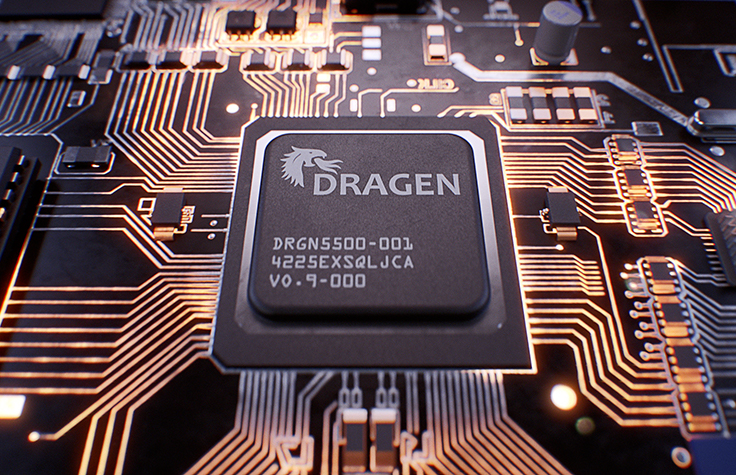
Maximize genomic insights with Illumina DRAGEN secondary analysis, learn about the latest updates, read FAQs, and find product support.

In this webinar, single-cell, spatial, and multiomic sequencing methods have been particularly transformative in research. Hear about these game-changing solutions.

In this webinar, 10x Genomics and Illumina present the Single Cell Fixed RNA solution, which enables RNA sequencing at the single-cell level across millions of cells from fixed samples.

In this demonstration, we will show you how an Illumina Connected Analytics (ICA) user can perform a single-cell RNA analysis workflow consisting of a DRAGEN secondary analysis pipeline and interpret those results using an interactive R Shiny application in the ICA Bench environment.
Interested in learning more about single-cell cancer research?
Your email address is never shared with third parties.